I Love Candy SVG: A Designer’s Honest Review
When a new embroidery file crosses my desk, I look at it the way a tailor looks at fabric—with a mix of curiosity and skepticism. Will this design stitch cleanly? Will it hold up after a dozen washes? Will my customers actually want to wear it? I recently spent time with I Love Candy SVG, testing it across several real projects. Here is my practical evaluation from the perspective of someone who has digitized, stitched, and sold hundreds of embroidery designs.
First Impressions: Sweet Without Being Cloying
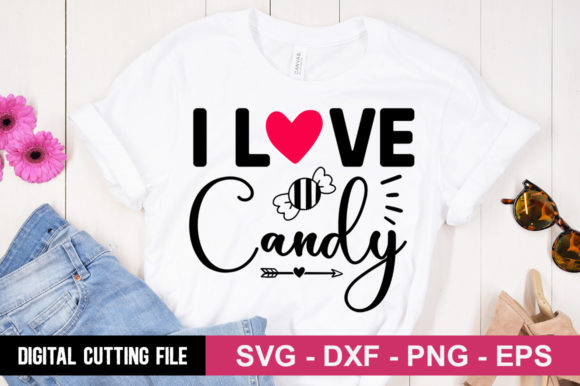
Opening the file, the first thing that struck me was the mood. This is a playful, affectionate design that leans into a candy-inspired theme without feeling childish. The layout is balanced, the shapes are clear, and the level of detail is thoughtful—enough visual interest to feel custom, but not so dense that it becomes a nightmare under the needle. For a machine embroidery design, that balance is everything.
I could immediately see this working on a tote bag design for a small shop, a sweatshirt embroidery piece for a boutique brand, or even a baby embroidery project with softer thread colors. The visual personality is warm, approachable, and giftable. If you sell on Etsy or at craft fairs, this is the kind of graphic that makes people stop scrolling and think, “I know someone who would love that.”
Real-Life Test: The Embroidered Tote Bag
To really evaluate I Love Candy SVG, I prepared a custom embroidered tote bag for a local boutique that wanted a sweet, conversation-starting design for their spring lineup. I used a medium-weight cotton tote, a medium hoop size, and a standard stabilizer for woven fabric. The design transferred cleanly from the digital embroidery file to the machine interface, and the fill stitch areas filled evenly without puckering.
One detail I appreciated: the open spaces inside the design allowed the fabric texture to show through, which kept the stitch from feeling too heavy. The satin stitch outlines were crisp, and the running stitch accents added just enough definition. I tested it in both a bright pink thread palette and a pastel version, and both looked professional. The boutique owner sold three tote bags at the very first market. That kind of response tells me the design resonates with real buyers.
Where I Love Candy SVG Shines in Your Product Line
After stitching this design on multiple substrates, here is where it performs best:
- Custom apparel: T-shirts, sweatshirts, and hoodies in both adult and kid sizes. The design sits well on the chest or upper back.
- Tote bags and aprons: The friendly theme works beautifully on items people carry or wear in social settings.
- Embroidered patches: Because the design has clear edges, it cuts and finishes nicely as a patch for jackets or backpacks.
- Pillow covers and tea towels: For home decor, this design adds a cozy, handmade touch. I tested it on a linen tea towel and it looked like a premium gift item.
- Holiday gifts and wedding gifts: The candy theme translates easily into Valentine’s Day, bridal shower, or thank-you presents.
- Baby embroidery and nursery decor: With pastel thread colors, the design softens beautifully for onesies, bibs, or wall hangings.
- Small shop merchandise and craft business items: This is exactly the kind of design assets that help a brand feel approachable and memorable.
For T-Shirt Designs and Graphics, this file holds its own. The vector quality means you can resize it without losing clarity, which is essential when you are offering multiple product sizes in your shop.
Where You Should Use Caution
No design is perfect for every situation. Here is where I recommend testing before committing:
- Small hoop sizes: If you are working with a hoop smaller than 4x4 inches, some of the finer details may become too tight. Test a scaled-down version on scrap fabric first.
- Stretchy or very thin fabric: The fill stitch areas can pull on knits if you do not use a cutaway stabilizer. For t-shirts, I recommend a medium-weight cutaway and a slight reduction in stitch density if your machine allows it.
- Dark fabric backgrounds: The design relies on good contrast. If you stitch it on black or navy, choose bright, opaque thread colors. A white or light underlay can help prevent the fabric from showing through.
- Curved surfaces like caps: Because the layout is somewhat wide, it may require a larger cap hoop or careful hooping to avoid distortion. I would test this one on a flat surface first before moving to structured hats.
- Products that need frequent washing: Kitchen towels, baby bibs, and reusable bags will hold up fine with proper stabilizer, but test a sample through three wash cycles before selling to customers.
Visual Appeal, Stitching Clarity, and Customer Trust
In the world of handmade products, design quality directly affects customer trust. A design that stitches cleanly signals professionalism. I Love Candy SVG delivers on that front. The shapes are well-defined, the line work is smooth, and the overall composition feels intentional. When I held the finished tote bag under natural light, the stitching was uniform, the edges were neat, and the design had a satisfying dimensional quality that flat digital mockups never fully capture.
For Etsy sellers and small shop product makers, this translates into better printable mockup photos and more confident listings. You can photograph the finished item from multiple angles and the design will look consistent. That kind of reliability builds brand consistency and encourages repeat buyers.
From a giftability standpoint, this design hits a sweet spot. It is personal without being niche, and it is recognizable without being generic. Customers who buy personalized gifts want something that feels special but also universally appealing. This design checks both boxes.
Practical Designer Notes for Real-World Use
Before you add I Love Candy SVG to your active project queue, here are my practical recommendations based on actual stitching:
- Test on scrap fabric first. Every machine and fabric combination behaves differently. Run a test stitch on a piece of fabric similar to your final product.
- Check thread color contrast. The design reads best when the candy elements stand out clearly from the background. Light on dark or dark on light—avoid mid-tone combinations that blend together.
- Review stitch density. If your software allows you to view density maps, check that the fill areas are not overly dense. Dense stitching can cause fabric distortion, especially on lighter materials.
- Confirm hoop size. The file is resizable, but make sure your hoop can accommodate the final stitch area. Measure twice, hoop once.
- Inspect small details. If you scale the design down significantly, some of the finer elements may lose definition. Keep the design above 3 inches in its longest dimension for best results.
- Test in black and white mockups. This helps you see the design’s structural clarity without the distraction of color. If it looks good in grayscale, it will likely look great in thread.
- Compare light and dark fabric backgrounds. The design performs differently on white versus black fabric. Test both to see which version fits your product line.
- Use proper stabilizer. For woven fabrics, a tear-away stabilizer works well. For knits, use a cutaway. For towels or fleece, consider a medium-weight cutaway plus a topper.
- Check licensing before selling finished items. The file includes SVG, PNG, EPS, and DXF formats, and it is a 100% vector file at 300 DPI resolution in CMYK color. However, I always recommend confirming the specific license terms for commercial embroidery or digital product resale before you list finished items or digital files. When in doubt, ask the seller directly.
- Keep a sample stitched version for your portfolio. Whether you are a creative entrepreneur or a hobbyist, having a physical sample helps you communicate your capabilities to clients and customers.
Final Thoughts for Makers and Shop Owners
I Love Candy SVG is a solid addition to any embroidery project library. It is versatile enough for custom apparel, handmade products, and personalized gifts, yet distinctive enough to help your work stand out in a crowded marketplace. Whether you are stitching it on a sweatshirt embroidery piece for a boutique client or preparing a batch of embroidered patches for a craft fair, this design delivers reliable results.
The best design assets are the ones that make you look forward to hooping fabric and threading the needle. This file does that. It respects your time, your machine, and your customer’s expectations. If you are looking for a sweet, practical, and commercially viable graphic for your next batch of finished products, I would say go ahead and add this one to your cart. Just remember to test first, stabilize properly, and let the design speak for itself.
Happy stitching.